Japanese Golden Curry: Discover Its Unique Sweet & Mild Flavor
In the vast world of curries, few stand out with such a distinctive and comforting profile as Japanese Golden Curry. Often referred to simply as "Golden Curry" due to its rich, golden-brown hue, this beloved dish has carved a special place in the hearts and on the tables of families across Japan and increasingly, around the globe. Unlike its fiery South Asian cousins or fragrant Southeast Asian counterparts, Japanese Golden Curry offers a refreshingly sweet, mild, and profoundly savory experience, making it a universal comfort food perfect for any occasion.
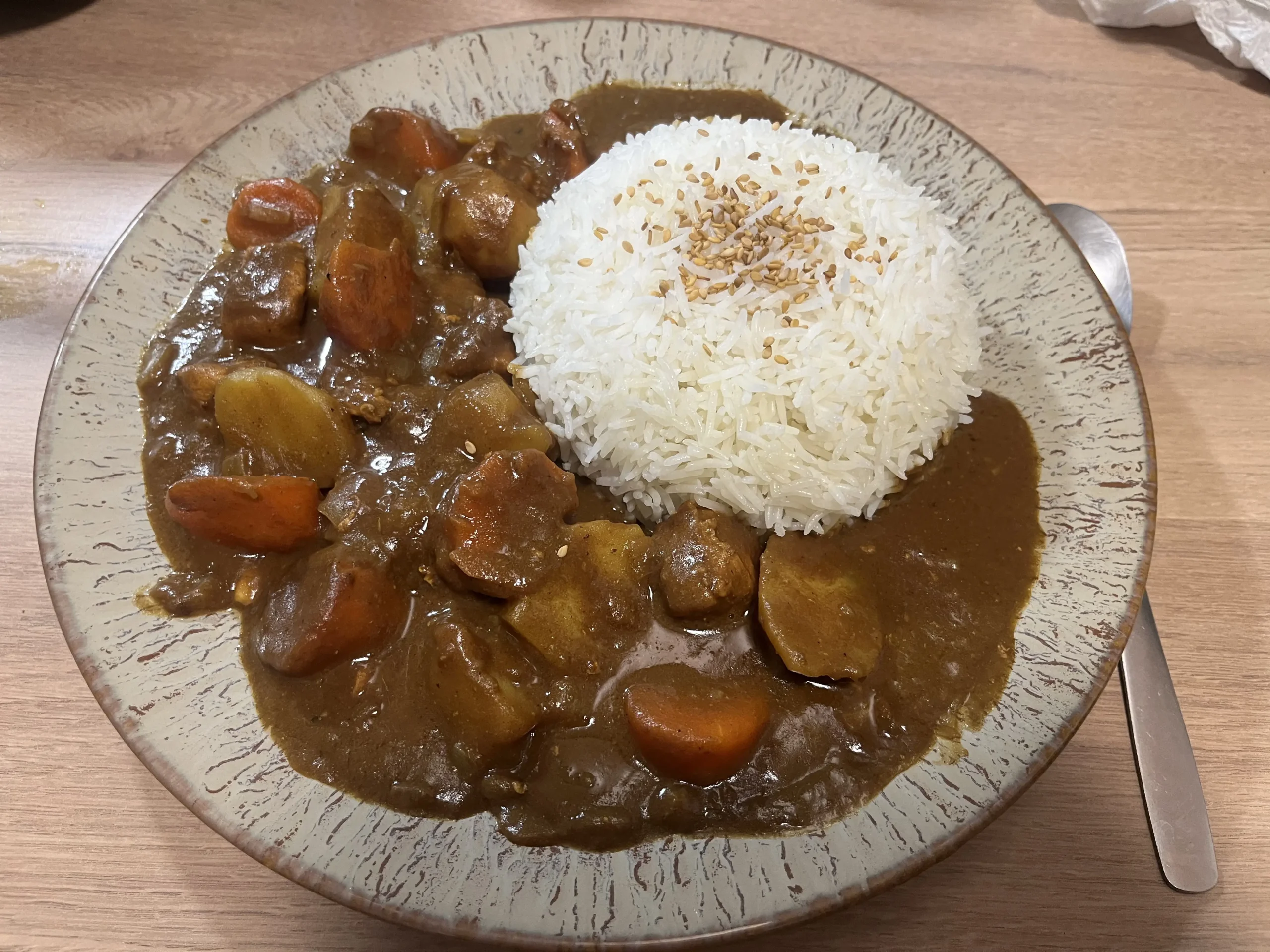
At its core, a classic easy 30-minute japanese chicken curry embodies everything wonderful about this culinary style: tender pieces of chicken, soft carrots, potatoes, and sweet onions simmered in a luscious, thick curry sauce. It’s a hearty, flavorful, and incredibly satisfying meal, typically served generously over a bed of fluffy steamed rice. This accessibility and the harmonious blend of flavors are precisely why Japanese curry, and particularly the chicken rendition, has become a cherished staple.
The Distinctive Charm of Japanese Golden Curry
What precisely sets Japanese Golden Curry apart from the myriad of other curry traditions worldwide? The answer lies primarily in its unique flavor profile and texture. While Indian, Thai, and Malaysian curries often boast complex spice blends and a significant heat factor, Japanese curry leans into a more gentle, sweeter, and deeply savory palate. It's a culinary adaptation that draws inspiration from Western stews but reinterprets them through a Japanese lens.
- Sweet and Mild: This is arguably the most defining characteristic. The sweetness often comes from caramelized onions, grated apples, and sometimes a touch of honey or ketchup, while the spice level is intentionally kept low. This makes it incredibly appealing to a broader audience, including children or those with a low spice tolerance.
- Thick and Velvety Sauce: Unlike the thinner, more broth-like consistency of some curries, Japanese curry is notably thick and rich. This consistency, often achieved through a roux (a cooked mixture of fat and flour) or pre-made curry blocks, allows the sauce to beautifully cling to the rice and other ingredients, delivering a burst of flavor with every bite.
- Golden-Brown Hue: The "Golden" in its name refers to the inviting, deep golden-brown color of the finished dish, a visual testament to its comforting and hearty nature.
- Umami-Rich: Beyond the sweetness and mildness, Japanese curry is packed with umami – the savory "fifth taste." This depth of flavor comes from a combination of ingredients like soy sauce, chicken stock, and the specific spice blend used in Japanese curry powder.
This delightful balance of flavors and textures makes japanese chicken curry a versatile dish, adaptable to various preferences while always delivering on its promise of comfort.
Crafting the Perfect Japanese Chicken Curry at Home
Bringing the warmth of Japanese Golden Curry into your home kitchen is surprisingly straightforward, offering paths for both the time-constrained cook and the culinary adventurer seeking maximum flavor.
The Quick & Easy Path: Japanese Curry Blocks
For many, the secret to a fast and fuss-free japanese chicken curry lies in the use of Japanese curry blocks, also known as curry roux blocks. These convenient blocks are pre-portioned, containing a blend of curry powder, flour, fats, and seasonings. They dissolve easily into simmering liquids, thickening the sauce and infusing it with that unmistakable Golden Curry flavor in under 30 minutes.
A typical quick preparation involves:
- Sautéing cubed boneless, skinless chicken thighs until lightly browned.
- Adding aromatic vegetables like sliced onions, carrots cut rangiri-style (on a bias with a quarter turn), and quartered potatoes, cooking until slightly softened.
- Pouring in chicken stock or water and bringing to a boil, then simmering until the vegetables are tender.
- Stirring in the curry blocks until fully dissolved and the sauce thickens to your desired consistency.
Curry blocks come in various spice levels – from mild, perfect for children or sensitive palates, to medium hot and extra hot for those who prefer a little kick. This adaptability makes it a truly family-friendly meal, easily customized to individual tastes.
The Authentic Path: Homemade Curry Roux for Maximum Flavor
While curry blocks offer unparalleled convenience, those seeking to unlock authentic flavor: homemade japanese chicken curry secrets can venture into making the curry roux from scratch. This method requires a bit more time and effort, but the depth and complexity of flavor achieved are truly rewarding.
A homemade roux typically involves:
- Melting unsalted butter and whisking in all-purpose flour to create a paste, cooking it until it turns a rich golden-brown color.
- Incorporating a blend of Japanese curry powder and other spices like turmeric, cayenne, cardamom, and fennel to deepen the aroma and flavor.
- The curry itself then benefits from additional fresh ingredients like minced garlic, grated ginger, and a grated Fuji apple for natural sweetness and tang. Honey, ketchup, and soy sauce are also often added to build layers of savory and sweet notes.
- Slow simmering with chicken stock, carrots, and potatoes allows all the flavors to meld beautifully, creating an incredibly rich and nuanced homemade japanese chicken curry.
This from-scratch approach allows for greater control over the spice blend and sweetness, letting you tailor the curry precisely to your liking and creating a dish that truly sings with homemade goodness.
Beyond the Bowl: Serving Suggestions and Variations
The most iconic way to enjoy Japanese Golden Curry is as "Kare Raisu" (カレーライス), served generously over a mound of fluffy, short-grain white rice. The rice acts as a perfect canvas, soaking up the rich, flavorful sauce. But the versatility of this dish extends far beyond this classic pairing.
- Garnishes: Enhance your meal with traditional Japanese pickled vegetables (fukujinzuke), which offer a delightful tangy contrast to the rich curry. A sprinkle of chopped spring onions or a drizzle of chili oil (if you prefer more heat) can also elevate the experience.
- Protein Variations: While japanese chicken curry is incredibly popular, feel free to substitute with other proteins like tender pork, beef, firm tofu, or even a medley of extra vegetables for a vegetarian option.
- Katsu Curry: A must-try variation is Katsu Curry, where a crispy, breaded fried pork or chicken cutlet (tonkatsu or torikatsu) is placed on top of rice and then smothered in the golden curry sauce. It’s a textural and flavor masterpiece.
- Curry Udon/Soba: For noodle lovers, transforming your leftover curry into a hearty curry udon or soba soup is an excellent idea. Thin down the curry sauce slightly with dashi or chicken stock, and pour it over chewy udon or buckwheat soba noodles.
- Dry Curry: A less common but equally delicious variation is dry curry, where the curry sauce is cooked down with minced meat until it forms a thick, almost crumbly texture, often served with an egg.
Each variation offers a new way to appreciate the sweet, mild, and deeply savory charm of Japanese Golden Curry, proving its adaptability and widespread appeal.
A Comfort Meal for Every Home
Japanese Golden Curry, whether a quick weeknight meal made with curry blocks or a lovingly prepared from-scratch masterpiece, truly embodies the essence of comfort food. Its unique sweet and mild flavor profile makes it accessible and enjoyable for virtually everyone, from young children to seasoned foodies. It's a hearty, satisfying dish that warms the soul and fills the stomach, making it an ideal choice for family dinners, meal prep, or simply when you need a delicious pick-me-up.
Discovering Japanese Golden Curry means unlocking a world of gentle, profound flavors that will undoubtedly become a cherished part of your culinary repertoire. So, gather your ingredients, choose your preferred method, and embark on a delicious journey with this iconic Japanese dish.
