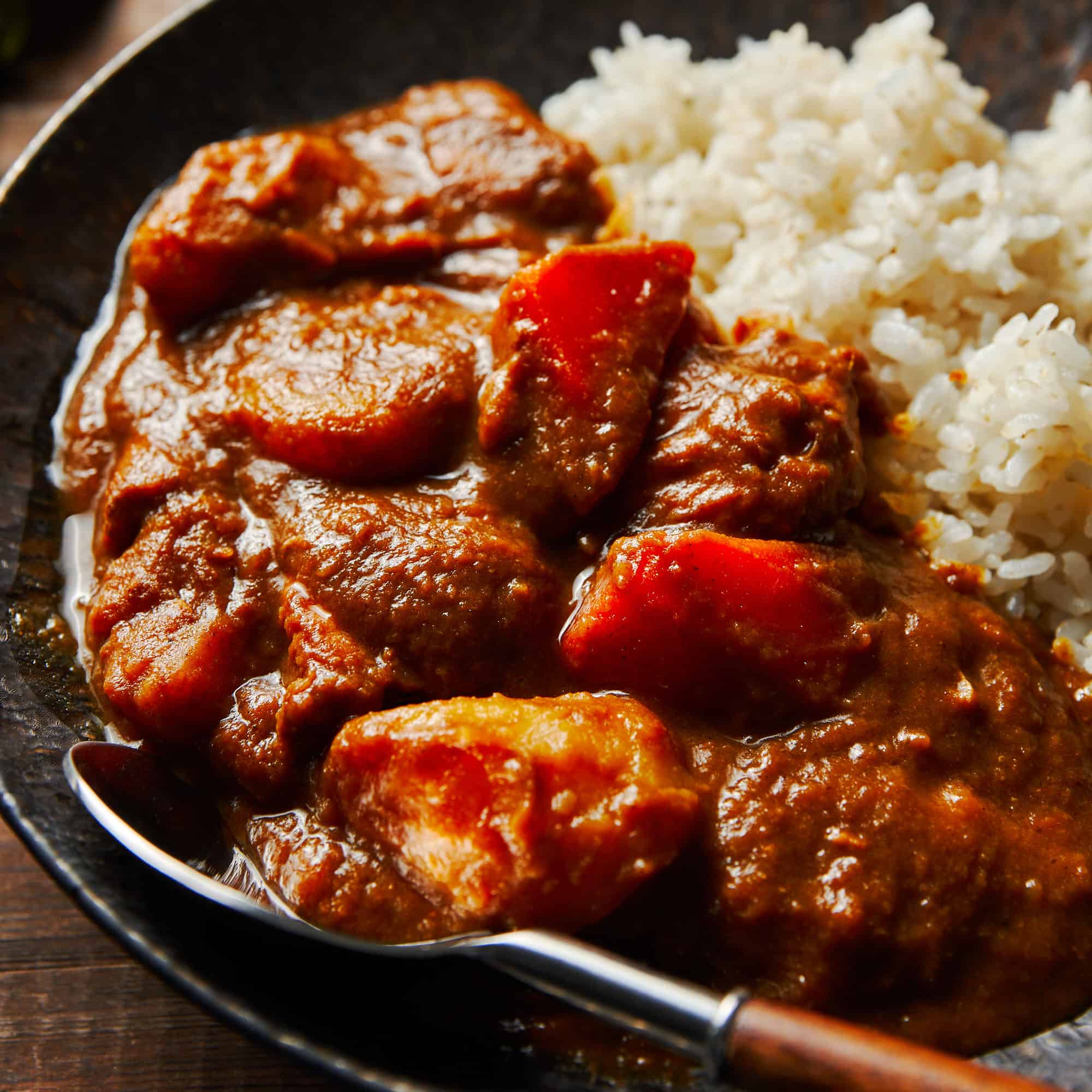
There's a reason why Japanese chicken curry, known affectionately as Kare Raisu (curry rice), holds a special place in the hearts and on the tables of families across Japan and increasingly, around the world. It’s more than just a meal; it’s a bowl of pure comfort, brimming with tender chicken, wholesome vegetables, and a rich, velvety sauce that is distinctly different from its spicier Asian counterparts. This culinary masterpiece strikes a delightful balance between savory depth and a subtle sweetness, making it an irresistible, family-friendly dish perfect for any occasion.
If you've ever dreamt of recreating that authentic, soul-warming Japanese curry experience in your own kitchen, you're in the right place. We're about to unlock the secrets to crafting a truly delicious homemade Japanese Golden Curry, from understanding its unique flavor profile to mastering the art of a perfect roux.
The Heart of Japanese Chicken Curry: What Makes It Unique?
While the concept of curry exists globally, Japanese curry stands out with its signature characteristics. Unlike the vibrant, often fiery curries of India or the aromatic, coconut-milk-rich varieties of Thailand and Malaysia, Japanese chicken curry offers a milder, sweeter, and significantly thicker sauce. Its color, a beautiful golden-brown, hints at the caramelized onions and rich ingredients that form its base, earning it the moniker "Japanese Golden Curry."
A Distinct Flavor Profile
The sweetness in Japanese curry is a defining trait. It often comes from ingredients like sautéed onions, grated apples, or even honey, which are expertly balanced with savory elements like soy sauce and umami boosters. The spice level is typically mellow, making it approachable for palates sensitive to heat, including children. This unique sweetness, combined with a hearty texture and deep umami, creates a truly comforting and satisfying dish that's less about a spice kick and more about a harmonious blend of flavors.
The Magic of the Roux: Blocks vs. From Scratch
The secret to Japanese curry’s characteristic thick, rich sauce lies in its roux. Traditionally, there are two main approaches:
- Japanese Curry Blocks: For convenience and consistent results, pre-made curry blocks are a game-changer. Brands like S&B, Vermont Curry, and Golden Curry are household names in Japan. These blocks contain a blend of flour, fats, curry powder, and other flavorings, dissolving easily into your simmering ingredients to create a thick, flavorful sauce. They come in various spice levels – from "mild" for the little ones or those sensitive to spice, to "hot" or "extra hot" for a more adventurous kick. Using curry blocks is a fantastic way to prepare an Easy 30-Minute Japanese Chicken Curry: A Family Comfort Meal.
- Homemade Roux: For those seeking to elevate their culinary experience and achieve "maximum flavor and love," crafting your own Japanese curry roux from scratch is immensely rewarding. This method involves slowly cooking butter and flour together, then incorporating a blend of Japanese curry powder (like S&B), turmeric, cardamom, fennel, and a touch of cayenne. This allows for greater control over the depth of flavor and spice, transforming your homemade Japanese curry into a truly bespoke creation. While it requires more time and effort, the resulting depth and complexity are unparalleled.
Crafting Your Perfect Japanese Chicken Curry: Ingredients & Techniques
Regardless of whether you choose the convenience of blocks or the ambition of a scratch-made roux, the core components of a superb Japanese chicken curry remain consistent. The beauty lies in the quality of your ingredients and a few simple techniques.
Essential Ingredients for Authentic Flavor
- Protein: Boneless, skinless chicken thighs are the gold standard for japanese chicken curry. Cut into 1-inch (2.5 cm) cubes, they remain wonderfully tender and absorb the rich curry flavors perfectly. While chicken breast can be used, thighs offer a richer taste and juicier texture.
- Aromatics: A generous amount of sliced yellow onion, slowly sautéed until deeply caramelized, forms the sweet, foundational layer of the sauce. Minced garlic and grated ginger add a pungent warmth that is crucial for depth.
- Root Vegetables: Carrots and potatoes are indispensable. For carrots, try cutting them "rangiri style" (on a bias, quarter turn, cut on bias again) – this traditional Japanese cut maximizes surface area for flavor absorption and creates an appealing presentation. Yukon Gold potatoes are excellent as they hold their shape while contributing a creamy texture to the curry.
- Sweetness Boosters: Beyond the caramelized onions, a grated Fuji apple adds a subtle, natural sweetness and a touch of tang. A hint of honey and ketchup further enhance this sweet-savory balance.
- Umami Powerhouses: Soy sauce is a given for its savory depth. For an extra layer of authentic umami, a splash of shiro dashi (white dashi stock concentrate) can work wonders, especially in a scratch-made curry.
- Liquid: High-quality chicken stock forms the base of your sauce, bringing all the flavors together.
Cooking Techniques for a Flavorful Finish
- Sautéing Aromatics: Start by gently sautéing your onions, garlic, and ginger. Take your time with the onions, allowing them to soften and develop a beautiful golden hue – this step builds immense flavor.
- Browning the Chicken: Briefly browning the chicken pieces creates a flavorful crust and seals in their juices, contributing to a richer final dish.
- Simmering to Perfection: Combine your browned chicken, sautéed aromatics, chicken stock, and vegetables. Simmer gently until the chicken is cooked through and the vegetables are tender. This allows all the flavors to meld beautifully.
- Incorporating the Roux: This is where the magic happens. Whether you're stirring in dissolved curry blocks or your homemade roux, add it gradually, ensuring it fully incorporates and thickens the sauce to your desired consistency. Continue to simmer for a few more minutes to allow the flavors to deepen and the sauce to coat everything beautifully.
While some recipes promise a complete dish in under 30 minutes, remember that truly rich flavors often benefit from a bit more simmering time, allowing the ingredients to marry. Don't rush the process, especially when caramelizing onions or allowing the curry to thicken properly.
Serving & Enjoying Your Homemade Kare Raisu
The classic way to enjoy Japanese chicken curry is undoubtedly as Kare Raisu – served generously over a bed of fluffy, steamed short-grain white rice. The rice acts as the perfect canvas, soaking up every last drop of the rich, savory-sweet sauce.
Perfect Pairings and Accompaniments
- Steamed Rice: Essential for the authentic experience. Choose a high-quality short-grain Japanese rice for the best texture.
- Japanese Pickled Vegetables (Fukujinzuke): These vibrant, crunchy pickles offer a delightful tangy contrast to the richness of the curry, cleansing the palate with each bite. They are an optional but highly recommended accompaniment.
- Toppings: A sprinkle of chopped green onions adds a touch of freshness and color. For those who crave a little extra heat, a drizzle of chili oil or a dash of shichimi togarashi (Japanese seven-spice blend) can be a welcome addition.
- Popular Variations: Beyond chicken, one of the most beloved variations is Katsu Curry – a crispy, breaded pork or chicken cutlet served over rice with the same delectable curry sauce. This highlights the versatility and widespread appeal of Japanese curry.
A Meal for Every Occasion
One of the many reasons homemade Japanese curry is such a cherished dish is its adaptability. It's a fantastic option for family dinners, as its mild nature appeals to all ages. It's also an excellent candidate for meal preparation; the flavors often deepen and improve overnight, making it perfect for packing for lunch or reheating on a busy weeknight. Its hearty, comforting nature makes it a go-to dish for many Japanese families, offering warmth and satisfaction with every spoonful.
Embarking on the journey to create your own authentic japanese chicken curry is a culinary adventure that promises rich rewards. Whether you opt for the convenience of curry blocks or the depth of a homemade roux, the result is a comforting, flavorful, and deeply satisfying meal that will transport your taste buds straight to Japan. So gather your ingredients, take your time, and prepare to unlock a world of authentic Japanese flavor in your very own kitchen.
